Accelerator
A learning programme, practical tasks and feedback help teams develop an idea and prepare their project.


All-Russian Festival of Technology Projects by University and School Students
Festival and participant guide · 2026–2027
A free development programme and technology project competition for university and school teams.

What the festival is
Beyond Ideas brings learning, competition and encounters with industry together in one season.
A learning programme, practical tasks and feedback help teams develop an idea and prepare their project.
Teams present their technology, minimum viable product (MVP) and business model for expert review and selection.
Pitches, a project exhibition and expert discussions give teams a place to share their work and meet one another.
The current season is co-organised by HSE University — Saint Petersburg and Rostelecom. The 2025–2026 season ran under the HSE FEST name.
How participation is organised
These describe different aspects of participation.
University and school teams. Eligibility depends on the captain’s institutional status and the season’s rules.
The current application lists 20 fields, from BioTech to SmartCity. They describe the project’s field; they are not 20 separate prize categories.
In 2026, the competition awarded three places and partner special prizes. Thematic semi-final sessions were not separate awards categories.
The 2026 semi-final sessions covered medicine and quality of life; digital products and AI; engineering and industrial development; and agricultural, food and environmental technologies.
The completed 2025–2026 season
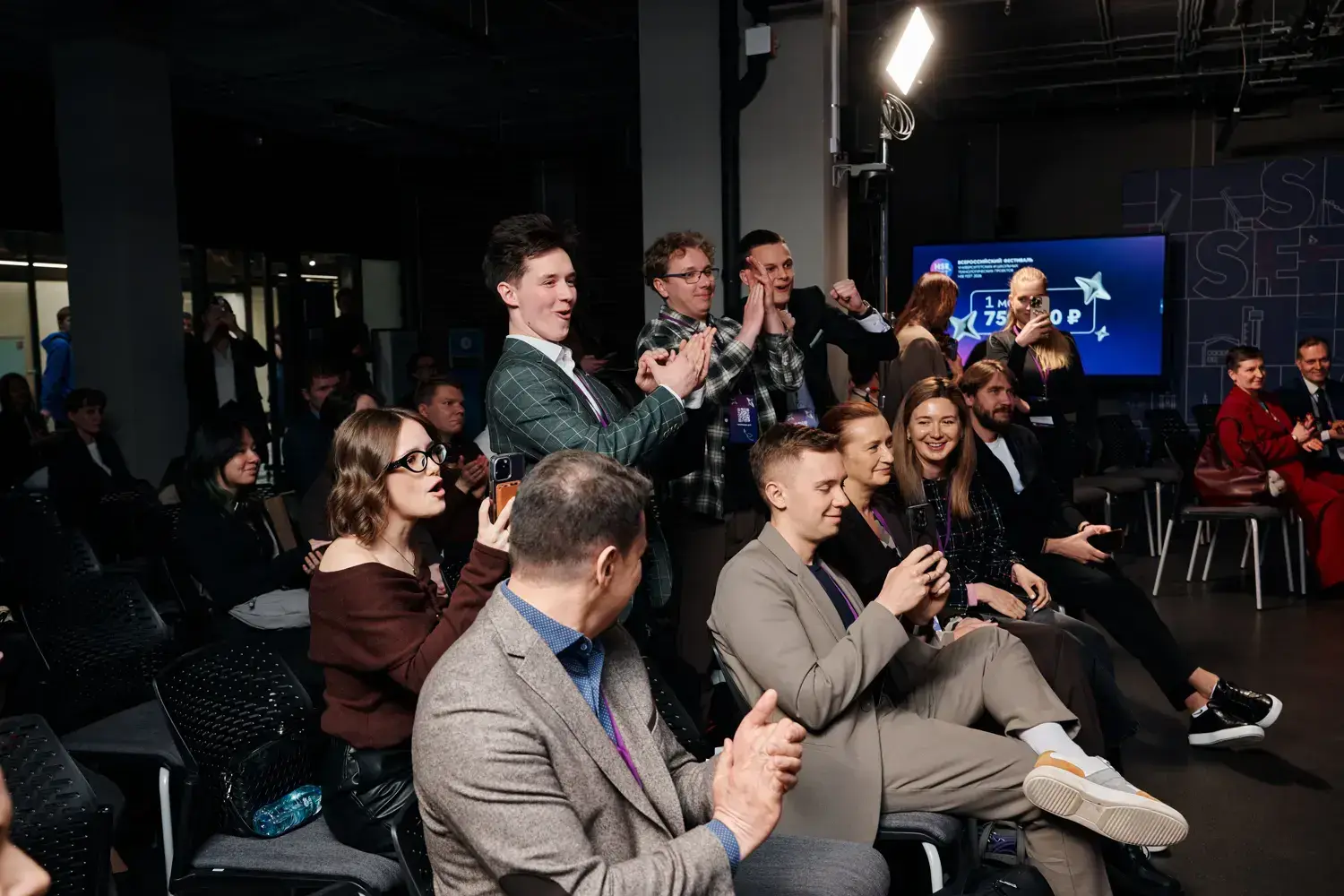
Teams came together at HSE University’s Kanatny Tsekh in Saint Petersburg on 28 April 2026.
applications
Russian cities
teams at the final event
Twelve projects reached the decisive competition round. The 45 teams refer to the wider final event.
2026 winners
The completed season’s three top places went to university teams.
Ural Federal University, Yekaterinburg. A motor using complex-shaped, 3D-printed magnets and a perforated rotor.
RTU MIREA, Moscow. Heated clothing using carbon nanotubes.
A joint HSE, Sechenov University and AK INNOVATSII team. Dental diagnostics combining 3D scanning with optical coherence tomography.
More projects from the season
The festival brought together projects addressing very different needs.
Komsomolsk-na-Amure State University. Turns software videos and instructions into interactive training simulations. Top 12 and a VK Advertising special award.
ITMO University. Computer vision for monitoring animal behaviour, health and weight. A top-12 project.
Don State Technical University. An autonomous robot for disease detection and targeted spraying in vineyards. A top-12 project.
The accelerator within the festival
In February–March 2026, teams learned and developed their solutions ahead of the in-person finale.
Hypothesis testing, a value proposition, a business model and a minimum viable product.
Marketing, finance, team management, legal issues and pitch preparation.
Practical assignments, group and individual sessions, progress discussions and a demo day.
The ten highest-performing graduates advanced to the HSE FEST 2026 final event.
2025–2026 accelerator graduates
Examples from the official list of the ten highest-performing graduates.
Construction monitoring using panoramic cameras, a digital twin and computer vision.
Building energy audits using a drone, thermal imaging and AI. The published description reports a TRL 4 prototype and planned pilots.
Speech transcription displayed as text. The graduate list reports that a prototype had been built and tested.
Project stages are taken from the published descriptions; completing the programme does not itself establish a commercial outcome.
A team’s experience
Non-invasive animal prostheses: an accelerator graduate and participant in the 2026 final event.
Custom animal prostheses and orthoses, 3D-printed in polymer plastic.
Two months of assignments, online sessions and expert and mentor interaction, followed by an online defence and a place in the top ten.
The finale as a meeting point
Competition is one part of a day of exchange with industry and other teams.
Teams demonstrated prototypes and explained how their solutions worked.
Experts from Rostelecom’s X.Technologies digital cluster held 17 sessions at the 2026 final event.
A panel discussion brought together representatives of Sber, Yandex Cloud and Rostelecom.
2026–2027 · project fields
Choose the field that best describes your project.
Biotechnology
Construction
Cybersecurity
Digital technologies in industry
Education
Fashion
Financial technology
Food industry
Green technology
Human resources
Mining, metals and energy
Legal services
Marketing technology
Healthcare
Real estate
Retail
Smart cities
Travel and tourism
Blogging and digital content
Agriculture
2026–2027 · two routes
Both routes are free for teams.
Develop your project; an MVP is not required at entry. Apply by 11 January 2027. Programme: 18 January–31 March.
For projects with an MVP. Apply by 28 February 2027, followed by expert review, pitches and the in-person finale.
Teams may follow both routes if they meet the competition requirements by 28 February.
18 January–31 March 2027. Apply by 11 January; the organising committee selects participants.
Clarify the user, their need and the value of the proposed solution.
Work on the business model, prototype, validation evidence and next steps.
Explain what the team has achieved and the evidence behind it. The ten highest-performing accelerator projects advance to the semi-final.
Competition applications close on 28 February 2027.
Show how the solution works and what makes it new.
Provide test results, a demonstration or other evidence about the MVP.
Explain who will use the solution and which problem it addresses.
The official criteria connect technology, the business model and demand.
Technology or innovation: the solution’s novelty and supporting evidence.
Business model: value creation, the customer and the economic logic.
Evidence of demand: the need and the data supporting the team’s conclusions.
Each criterion is scored from 0 to 2. A company’s interest in a project is considered separately from the competition ranking.
Selection proceeds through successive stages.
1–15 March 2027. Experts review projects and select the top 100.
16 March–7 April. Project pitches determine the top 35.
24 April 2027. In-person project presentations in Saint Petersburg.
The ten highest-performing accelerator graduates and recognised regional winners have separate routes to the semi-final.
Prepare the team details and materials that explain the project.
Team members, captain, category and technology field. The project description is limited to 200 characters.
A PDF presentation or an accessible link, plus MVP materials for the competition application.
The required individual participant consents. Check that linked materials can be opened before submitting.
Use these six questions as a practical structure for the presentation.
Who faces the problem? How does the technology address it?
What has been built? What did testing and feedback show?
Who is the user and customer? Why can this team take the next step?
This is a suggested narrative structure, not an additional formal competition requirement.
Describe the project’s stage of development clearly and accurately.
Show a prototype, a working scenario or a reproducible result.
Distinguish test results from hypotheses and future plans.
Explain what still needs to be tested or developed.
Who can take part
Eligibility is based on a Russian educational institution, rather than citizenship.
The captain studies at a Russian general education school.
The captain studies or works at a Russian higher education institution.
A project that has already won or placed in this festival cannot be resubmitted. The team may enter a different project.
2026–2027 calendar
Dates for the new season; the 2026 results refer to the previous cycle.
Choose a route and prepare the application.
An MVP is not required at entry.
Project development and pitch preparation.
An MVP is required.
Top 100 → top 35.
Saint Petersburg.
2026–2027 prizes
The new season’s university prize fund. School-category prizes are noncash.
roubles
roubles
roubles
Amounts are before personal income tax and mandatory deductions and are split equally among team members. School teams placing first, second or third receive noncash prizes determined by HSE University — Saint Petersburg.
The 2027 in-person event
Semi-final and final of the 2026–2027 season.
Kanatny Tsekh, HSE University — Saint Petersburg
Show the results and answer expert questions.
Discuss solutions and share project experience.
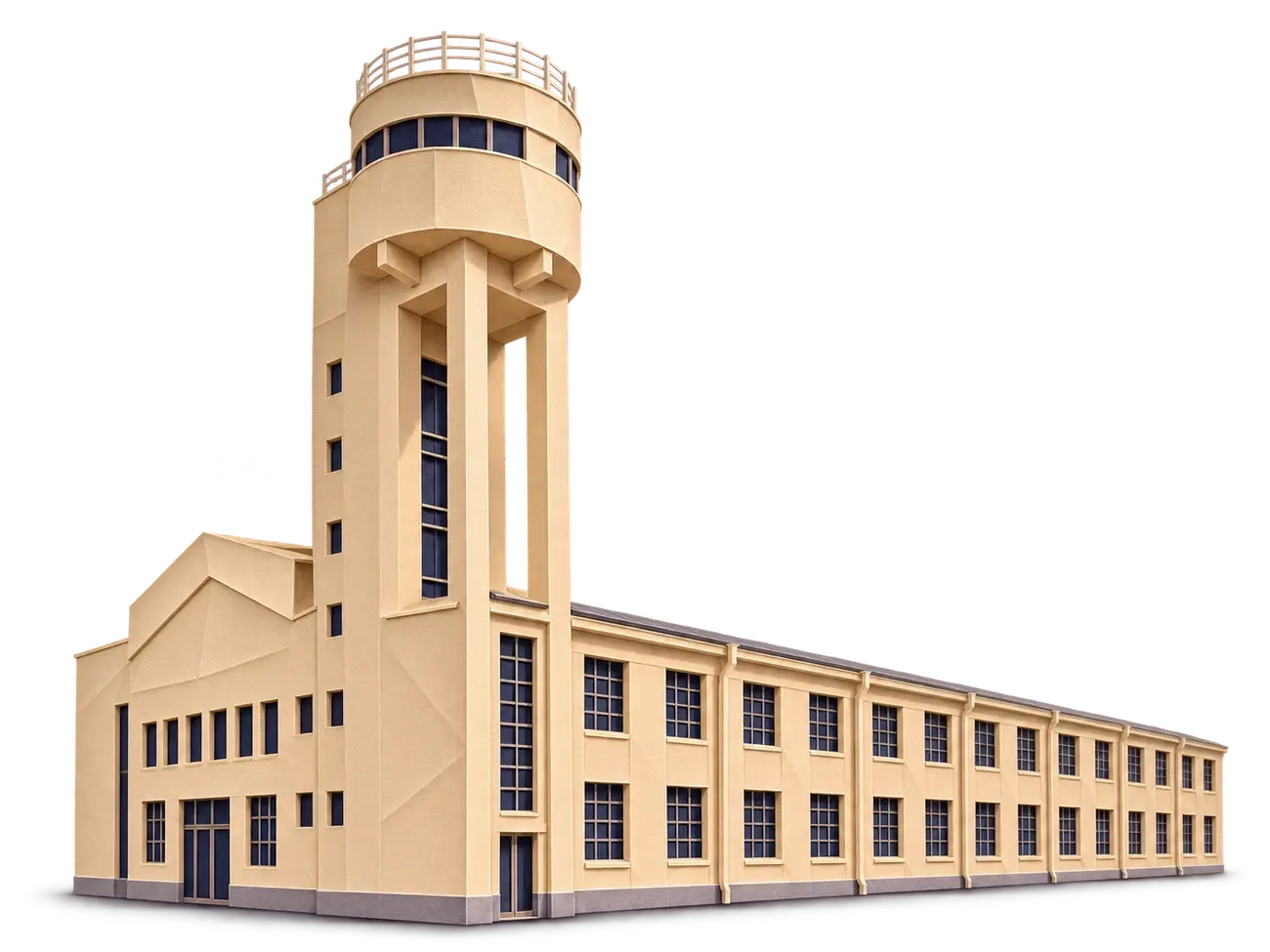
At least one representative must attend in person on 24 April 2027. The captain presents; another member may do so only exceptionally, with organising-committee approval. No remote participation.
Next step
The official festival website provides current conditions and registration.
Official registration page · Russian
11 January 2027 · accelerator
28 February 2027 · competition
Back to overviewAll-Russian Festival of Technology Projects by University and School Students
Festival and participant guide · 2026–2027
A free development programme and technology project competition for university and school teams.